Estimated reading time: 4 minutes.
- The Gran Teatro Cervantes is a historic landmark in Tangier.
- It showcases a blend of Spanish and Moroccan architectural influences.
- The theater is a key stop on walking tours in the Medina.
Table of Contents
- What Is the Gran Teatro Cervantes and Why Is It Important?
- Where Is the Gran Teatro Cervantes Located in Tangier?
- How Does the Gran Teatro Cervantes Fit on a City Walking Tour?
- Practical Tips for Visiting the Gran Teatro Cervantes
- Enhancing Your Tangier Walking Tour Experience
- Summary
What Is the Gran Teatro Cervantes and Why Is It Important?
The Gran Teatro Cervantes is an early 20th-century theater built during Tangier’s period as an international zone, serving as a cultural hub for Spanish arts and performances.
Opened in 1913, the theater was intended to be Tangier’s premier venue for opera, plays, and musical performances, reflecting the strong Spanish presence in the city at that time. Its architecture blends neo-Moorish and Renaissance revival styles, symbolizing the fusion of Spanish and Moroccan influences. The Gran Teatro Cervantes stands as a testament to Tangier’s cosmopolitan heritage where Mediterranean cultures intersected.
Where Is the Gran Teatro Cervantes Located in Tangier?
The theater is located in Tangier’s bustling downtown area, just off the Grand Socco square, which is one of the main entry points into the Medina.
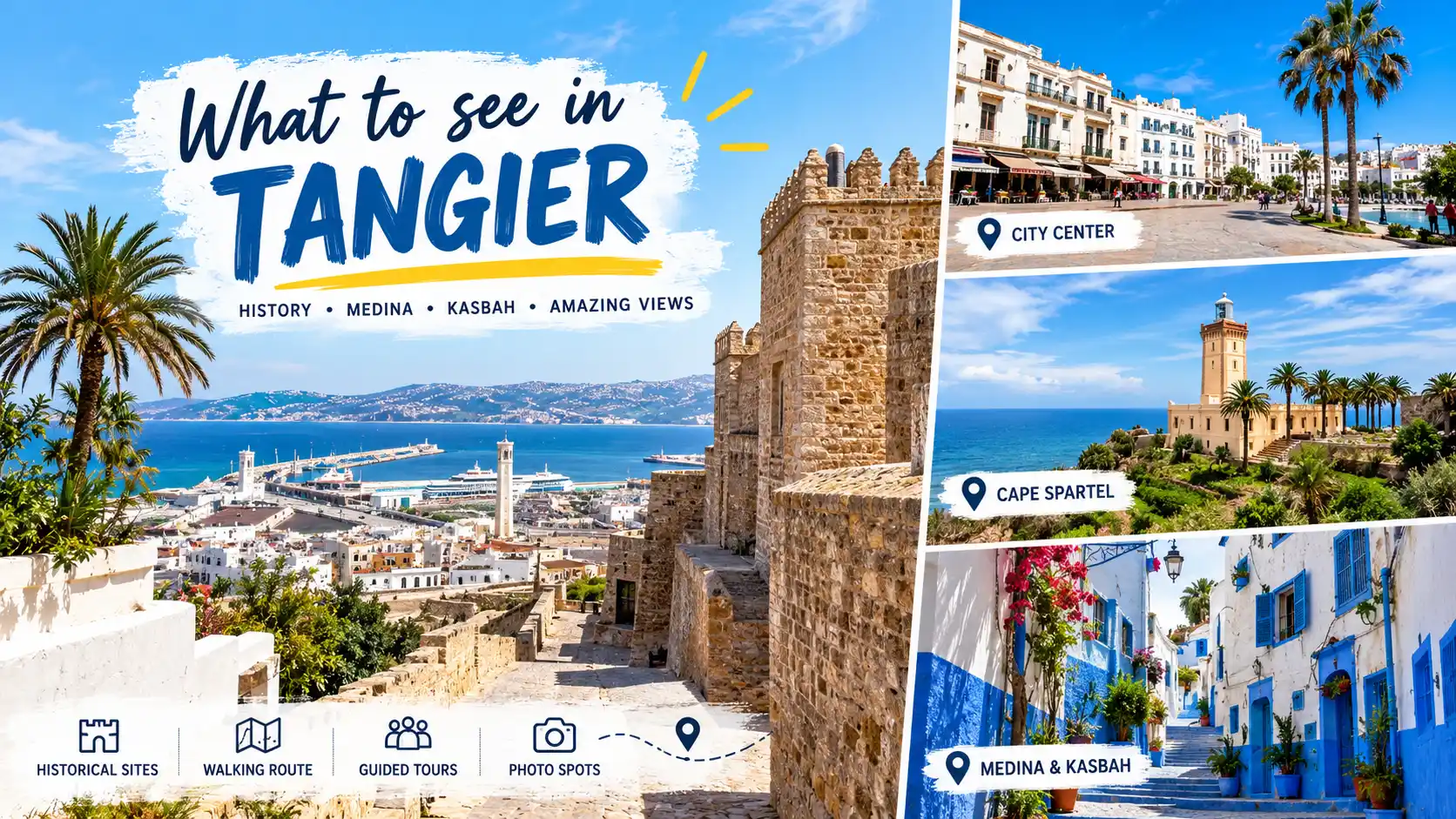
This location places it at the crossroads of old and new Tangier, easy to integrate into a walking itinerary covering the Medina’s narrow streets, nearby cultural sites, and the Kasbah hill. Its proximity to landmarks like the Petit Socco and the Mendoubia Gardens provides natural anchor points for exploring local history and architecture.
How Does the Gran Teatro Cervantes Fit on a City Walking Tour?
The Gran Teatro Cervantes fits naturally on walking tours that focus on Tangier’s historic and cultural core.
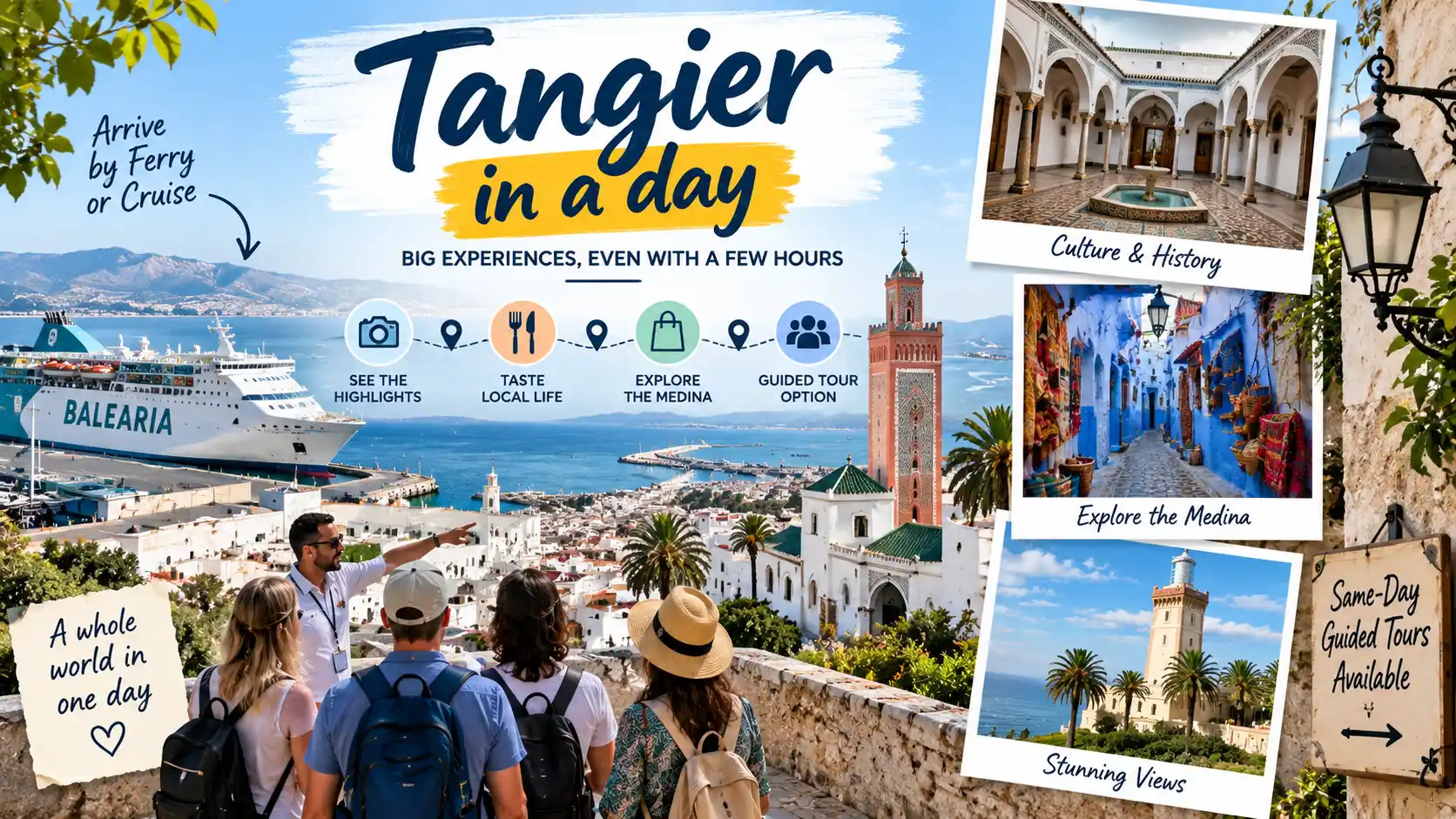
A recommended itinerary starts at the Grand Socco, where visitors can experience the vibrant market and street life before moving towards the theater as a highlight of Spanish colonial heritage. From there, the tour can proceed to the Kasbah for panoramic city views or to the nearby Petit Socco, famed for its cafes and literary history. The Gran Teatro Cervantes offers a tangible connection to Tangier’s 20th-century evolution when international influences shaped its urban identity.
Practical Tips for Visiting the Gran Teatro Cervantes
The theater is usually viewed from the outside, as active use and interior access can be limited due to preservation efforts.
Visitors should plan to:
- Explore the surrounding Grand Socco and Medina for context.
- Combine the visit with a guided city walk to learn local history.
- Check with local sources or guides for the latest updates on theater access or cultural events.
- Wear comfortable footwear for navigating Tangier’s uneven Medina streets.
Enhancing Your Tangier Walking Tour Experience
Including the Gran Teatro Cervantes on a walking tour provides historical depth, but pairing cultural exploration with outdoor activities can enrich the visit further. Tangier’s coastal location invites visitors to experience the sea and surrounding landscapes.
For an authentic coastal experience after the city tour, consider booking a private boat tour of Tangier Bay directly with licensed local guides on todointangier.com. This activity complements a cultural walk by offering scenic views of the Strait of Gibraltar and the meeting point of the Atlantic and Mediterranean, located just a few kilometers from the Medina.
Summary
The Gran Teatro Cervantes is a vital Spanish heritage landmark in Tangier that anchors the city’s international and cultural past. Its strategic location near the Grand Socco makes it an accessible and meaningful stop on walking tours through northern Morocco’s dynamic urban landscape. Confirmed by its architecture and historic significance, the theater encapsulates a key chapter of Tangier’s complex identity — a fusion of European and Moroccan influences.
Including the Gran Teatro Cervantes adds depth to any exploratory tour of Tangier, bridging historical narratives with experiential travel in the Medina and beyond.
Frequently Asked Questions
Is the Gran Teatro Cervantes open to the public for tours?
The theater is mostly closed for regular tours, but its exterior can be visited freely. Occasionally, cultural events or exhibitions may allow limited access.
Where is the Gran Teatro Cervantes located within Tangier?
It is located near the Grand Socco, in the heart of Tangier’s Medina, making it easy to include on walking tours of the city center.
What architectural style is the Gran Teatro Cervantes built in?
The theater combines neo-Moorish and Renaissance revival architectural styles, reflecting both Spanish and Moroccan influences.
Can the Gran Teatro Cervantes be combined with other activities in Tangier?
Yes, it pairs well with visits to the Kasbah, Petit Socco, and nearby gardens. Additionally, a boat tour of Tangier Bay offers an outdoor complement to cultural exploration.
Who built the Gran Teatro Cervantes and when?
The theater was built by the Spanish in 1913 during Tangier’s international zone era to serve as a main venue for Spanish performing arts.